Norwegian Forest Cat care: seasonal grooming, play and daily needs
Care for your Norwegian Forest Cat with attention to seasonal coat changes, brushing during moulting, daily play and clear arrangements with the sitter.
Updated on
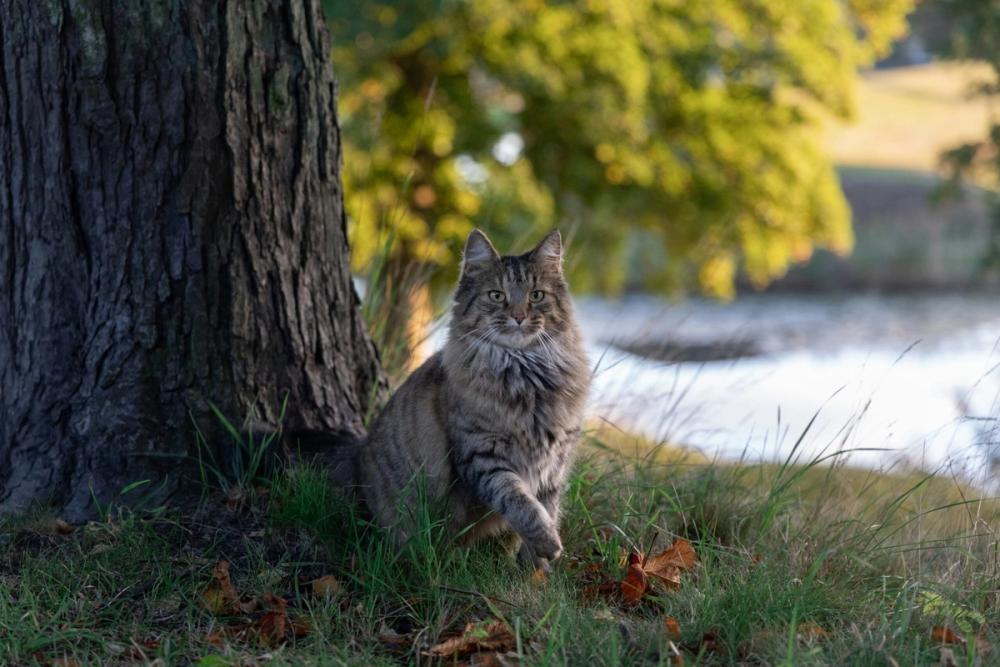
Breed at a glance
Our editors rate each trait from 1 (low) to 5 (high). These are general breed characteristics, not reviews, and every pet is different.
- Build
- Large and powerful
- Coat
- Semi-long, with a woolly undercoat
Exercise needs
The CFA describes moderate activity with sudden bursts of playful energy. Offer daily movement and play alongside rest.
Grooming
Comb regularly and pay extra attention when the winter coat sheds. The CFA emphasises that some coats need more frequent maintenance.
Playfulness
The CFA mentions stalking and playing with toys. Build on favourite games and provide high places your cat can reach comfortably.
Feeding & daily routine
Provide complete cat food for the appropriate life stage. Use the feeding guide on the packaging as a starting point and adjust portions to your cat’s body condition and needs. A fuller winter coat does not automatically mean more food is needed. Record food and treats for the sitter and ask your vet if unsure.
This breed on Petbnb
Petbnb bookings and sitters in the Netherlands.
- Paid bookings
- 24
- Sitters with breed experience
- 13
Last updated
The booking total includes paid bookings, as well as completed and reviewed stays or visits. It doesn’t mean every stay or visit has already taken place. Sitter counts and city rankings are based on the breeds sitters list on their profiles, rather than their booking history. This experience is self-reported; check availability for your dates.
Find a sitter who knows the breed
See which cities have the most sitters who list this breed on their profile. Arrange a meet and greet to talk about their experience and your pet’s needs.
- Norwegian Forest sitters in Breda3 sitters with breed experience
- Norwegian Forest sitters in Amsterdam2 sitters with breed experience
- Norwegian Forest sitters in Groesbeek1 sitters with breed experience
- Norwegian Forest sitters in Wageningen1 sitters with breed experience
- Norwegian Forest sitters in austerlitz1 sitters with breed experience
- Norwegian Forest sitters in blaricum1 sitters with breed experience
A Norwegian Forest Cat’s coat can look very different in winter and summer. The full ruff and thick undercoat change with the seasons. This makes it useful to review grooming regularly, even if your cat normally needs little help.
The Cat Fanciers’ Association describes a powerfully built cat who enjoys involvement in daily life but also makes independent choices. Quiet moments can alternate with sudden bursts of playful energy. Plan for grooming and rest alongside the activities your cat enjoys.
Did you know? A Norwegian Forest Cat can chirp
Alongside purring, the CFA mentions soft, bird-like sounds when a Norwegian Forest Cat is excited. Let the sitter hear your cat’s normal sounds, perhaps with a short example during play. This captures something more specific than ‘they are talkative’. New sounds or changed behaviour remain reasons to contact you; they are not automatically a breed characteristic.
Adapt brushing to moulting
The CFA recommends regular combing and extra attention when the winter coat gives way to a lighter coat. Some coat textures tangle more easily and need more frequent maintenance. Look at your cat’s coat and what they tolerate rather than using one schedule for every Norwegian Forest Cat.
Show a sitter the tools you use, how you start and which areas need extra attention. Explain whether the coat is currently changing. ‘Brush occasionally’ is too vague during heavy moulting. If a tangle is painful or firmly matted, seek skilled help rather than pulling it.
Make room for movement and play
The CFA mentions a preference for high places and games involving stalking toys. Offer daily play and provide resting, scratching and hiding places suited to your cat’s build. Check that furniture is stable and routes to high places remain usable as your cat gets older.
Use toys your cat already knows and alternate activity with rest. Indoor cats also need opportunities to explore and move. Our tips for a happy indoor cat help you consider the layout and variety at home.
Be clear about outdoor access
A thick coat does not replace a safe environment and daily checks. If your cat normally goes outside, record when and by which route. Tell the sitter which windows, doors and cat flap stay closed and how to check that your cat is back indoors.
Do not try giving your cat more freedom outdoors while a sitter is caring for them. Even a cat described as friendly may react differently to an unfamiliar house or person. Let them approach during the meet and greet.
Match food to the cat, not the winter coat
A full coat makes body shape less visible. Ask your vet for help if you are unsure about body condition. Choose complete cat food for the appropriate life stage and use the packaging guide as a starting point for portions. Looking larger in winter does not automatically mean more food is needed.
Measure the usual quantity and agree on treats too. Provide clean drinking water and show where food and equipment are kept. With several cats, explain how to check that each eats their own portion.
Include these points in the handover
- Is the winter coat currently shedding, and how does that affect combing?
- Which high resting place does your cat use, and how do they get down safely?
- During a visit, do they want to join in, sit on a lap or stay quietly nearby?
- How will the sitter check that your cat is back inside after going out?
Use our guide to cat sitting at home while you are on holiday too.
Sources
- Cat Fanciers’ Association: Norwegian Forest Cat — build, seasonal coat, variations in grooming needs, high places, play and vocalisations.
- LICG: a cat-friendly home — resting places, scratching, play and safety.
- LICG: feeding your cat — general guidance — life stage and individual portions.
- LICG: feeding your cat — guidelines and quantities — complete food and changing needs.