Labrador Retriever care: exercise, feeding, grooming and dog sitting
Find out how to adapt exercise, feeding and grooming to your Labrador, and which daily arrangements to make with a dog sitter.
Updated on
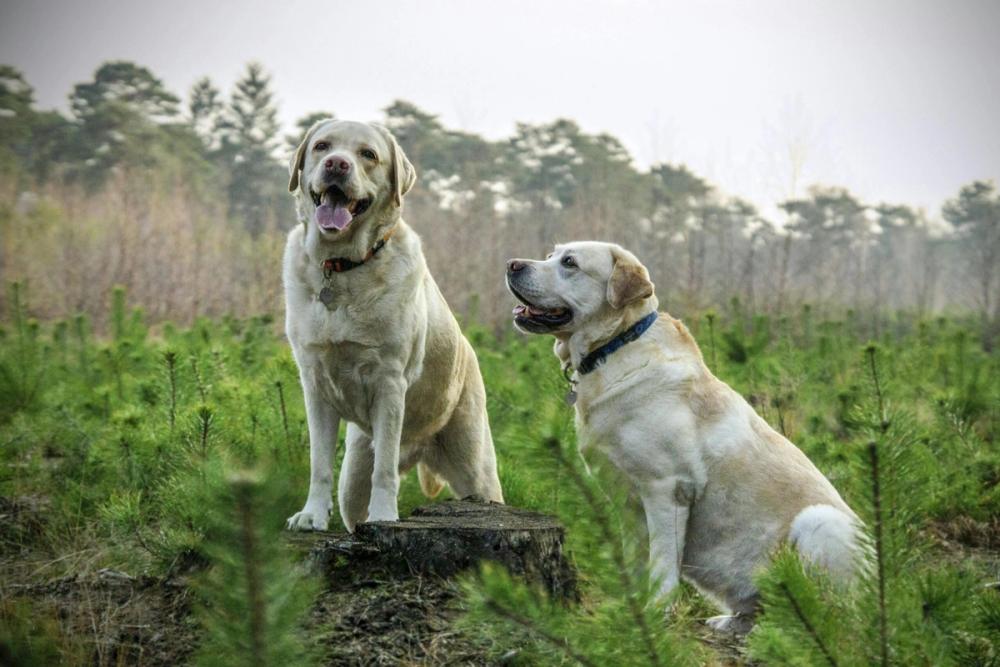
Breed at a glance
Our editors rate each trait from 1 (low) to 5 (high). These are general breed characteristics, not reviews, and every pet is different.
- Size
- Large
- Coat
- Short
Exercise needs
An active breed: combine walks with sniffing, retrieving and enough rest. Adjust the activity to suit your dog.
Grooming
The short coat usually needs weekly brushing. Show the sitter your usual grooming routine.
Playfulness
Retrieving, searching games and reward-based exercises often suit this eager-to-learn retriever.
Feeding & daily routine
Choose complete dog food suited to your Labrador's life stage. Use the packaging as a starting point for portions, weigh the food and include training treats. Labradors can easily become overweight; discuss quantities with your vet if unsure. Give a sitter the same measured portions and instructions.
This breed on Petbnb
Petbnb bookings and sitters in the Netherlands.
- Paid bookings
- 8,066
- Sitters with breed experience
- 1,194
Last updated
The booking total includes paid bookings, as well as completed and reviewed stays or visits. It doesn’t mean every stay or visit has already taken place. Sitter counts and city rankings are based on the breeds sitters list on their profiles, rather than their booking history. This experience is self-reported; check availability for your dates.
Find a sitter who knows the breed
See which cities have the most sitters who list this breed on their profile. Arrange a meet and greet to talk about their experience and your pet’s needs.
- Labrador Retriever sitters in Amsterdam241 sitters with breed experience
- Labrador Retriever sitters in 's-Gravenhage83 sitters with breed experience
- Labrador Retriever sitters in Rotterdam81 sitters with breed experience
- Labrador Retriever sitters in Utrecht60 sitters with breed experience
- Labrador Retriever sitters in Eindhoven28 sitters with breed experience
- Labrador Retriever sitters in Groningen21 sitters with breed experience
Caring for a Labrador means providing a suitable balance of exercise, activities, rest and daily care. The breed is often described as sociable and energetic, but your dog's age, health and habits determine what their day should look like.
Did you know?
A Labrador's thick, rounded tail has its own nickname: the otter tail. The Raad van Beheer describes how its short, dense hair creates that rounded shape. The body coat also has a weather-resistant undercoat, so short hair does not mean care ends when a wet walk does. Source: Raad van Beheer: Labrador Retriever.
Walks, games and training
LICG lists retrieving, scent work and training among activities for Labradors. The right combination depends on the individual dog. A growing youngster, a fit adult and an older Labrador may have very different needs.
Vary familiar activities and watch how your dog responds. If you want to take up more intensive exercise or your dog has symptoms, discuss the demands with your vet. Give a sitter the routine your dog already knows, rather than simply asking them to tire the dog out as much as possible.
Help your sitter follow your training routine
LICG recommends a calm, friendly and clear approach. Practise everyday situations such as waiting calmly, walking together and releasing an object in a way your dog understands. Short, clear instructions are useful for a sitter too.
Write down the words and gestures you use. Show which rewards are suitable and how you finish an exercise. Agree that the sitter will not introduce a new training method during the stay.
Include treats in the daily food allowance
LICG highlights a tendency towards excess weight in Labradors. Consider the total daily food intake, including treats and training rewards. Use the feeding guide on the packaging as a starting point and monitor your dog's condition. A general breed weight does not tell you the right amount for your dog.
Follow a feeding plan suited to your dog and ask for advice if you are unsure about their condition. At handover, provide their usual food and a clear measure or weighed portions. Explain which treats your dog can have and how many, so carers do not accidentally double up.
Caring for the short coat
A short coat does not make grooming unnecessary. LICG gives weekly brushing as a starting point for Labradors, with extra attention to loose hair during moulting. Show which equipment you use and how your dog prefers to be groomed. If brushing still worries them, read how to help your dog get used to brushing calmly.
Discuss your routine after a walk too. Where are the towels? Can the dog swim during the stay? Which places or activities do you avoid? Base your arrangements on what your dog is used to and what the sitter can manage safely.
Choosing a sitter for your Labrador
During your Petbnb meet and greet, demonstrate a complete, familiar retrieving exercise: offering the object, your cue for releasing it and the point when the toy goes away again. Then show how you help your dog settle in their resting place. This helps you discuss how the sitter will manage playtime and bring it to a calm end.
For example, ask:
- What would you do if my dog did not let go of the toy straight away?
- Can we give the agreed rewards from one measured container?
- Who will dry them after a wet walk, and where can they rest afterwards?
Also use the pet sitter checklist for supplies and practical arrangements.
Sources
- Raad van Beheer: Labrador Retriever — Thick otter tail with short hair all around; short, dense coat with a weather-resistant undercoat.
- LICG: Labrador Retriever — temperament, suitable activities, training, coat and weight.
- LICG: feeding your dog — general guidance — complete food, life stage, individual portions and including rewards.
- LICG: holidays when your pet stays at home — preparation and written care arrangements.