Siberian Husky care: walks, grooming and a safe handover
Daily care for your Siberian Husky: suitable walks, safe routines for walks and doorways, grooming, feeding and clear sitter arrangements.
Updated on
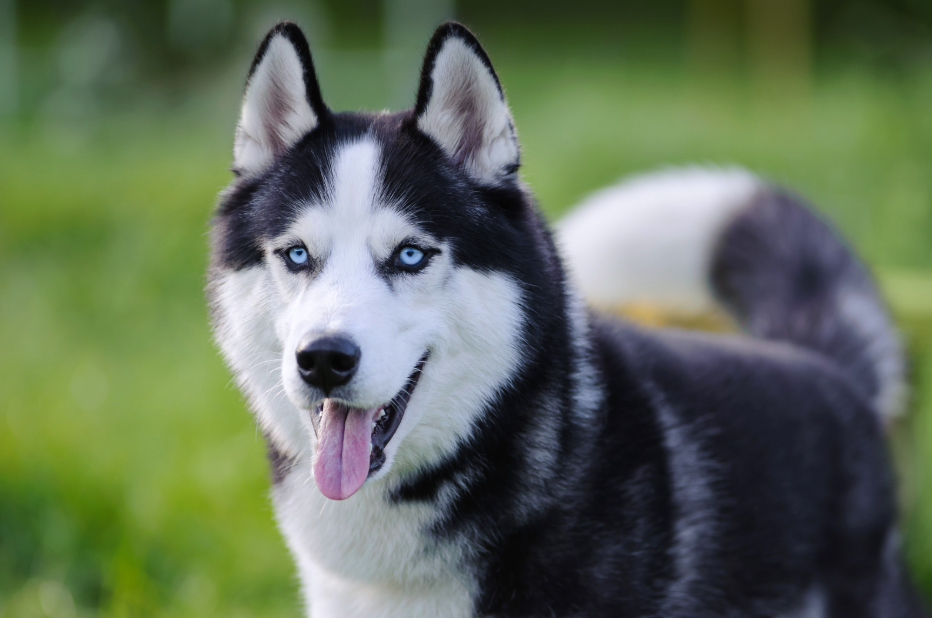
Breed at a glance
Our editors rate each trait from 1 (low) to 5 (high). These are general breed characteristics, not reviews, and every pet is different.
- Background
- Sled dog
- Coat
- Dense undercoat and longer outer coat
Exercise needs
A dog with stamina who enjoys being active. Plan realistic walks suited to health and habits.
Grooming
The double coat needs checks and suitable brushing; maintenance varies between dogs and seasons.
Playfulness
Often enthusiastic about shared activities. Choose familiar games your dog enjoys, without assuming preferences from breed alone.
Feeding & daily routine
Use complete food for the appropriate life stage and keep familiar portions. Adjust quantities to body condition and actual activity. Do not automatically add food or supplements because of the breed’s sled-dog background.
This breed on Petbnb
Petbnb bookings and sitters in the Netherlands.
- Paid bookings
- 854
- Sitters with breed experience
- 270
Last updated
The booking total includes paid bookings, as well as completed and reviewed stays or visits. It doesn’t mean every stay or visit has already taken place. Sitter counts and city rankings are based on the breeds sitters list on their profiles, rather than their booking history. This experience is self-reported; check availability for your dates.
Find a sitter who knows the breed
See which cities have the most sitters who list this breed on their profile. Arrange a meet and greet to talk about their experience and your pet’s needs.
- Siberian Husky sitters in Amsterdam45 sitters with breed experience
- Siberian Husky sitters in 's-Gravenhage18 sitters with breed experience
- Siberian Husky sitters in Rotterdam15 sitters with breed experience
- Siberian Husky sitters in Utrecht10 sitters with breed experience
- Siberian Husky sitters in Groningen9 sitters with breed experience
- Siberian Husky sitters in Delft8 sitters with breed experience
A Siberian Husky brings a sled-dog background to everyday life. Going out together can be an important part of the day. During care, walking arrangements, equipment and the chance to recover quietly afterwards deserve particular attention. An attractive appearance does not tell you how much time your dog’s care takes.
The Raad van Beheer describes the Siberian Husky as a dog with stamina who enjoys being active. Its breed information also emphasises walking on a lead. Use that background when preparing, and adapt the programme to your own dog’s age, health and habits.
Did you know? This sled dog worked over long distances
The Raad van Beheer describes the Siberian Husky as a sled dog carrying light loads at a moderate pace over long distances. This explains the breed’s reputation for stamina; it is not a standard training schedule for every pet dog.
Start the meet and greet at the front door: agree who holds the lead, who opens the door and where the dog waits. Then walk a short familiar route together. This arrival check makes it easier to discuss equipment, pulling strength and doorway arrangements before the sitter heads out alone.
Agree a realistic walking programme
Discuss the distances and routes your Husky knows. Take the sitter along on a normal walk first so that pace, breaks and responses to distractions are clear. A stay with a sitter need not become a new training camp.
Write down how you adapt the programme to conditions too. Which shorter route do you use when a long outing is unsuitable? Which quiet searching game does your dog know at home? This lets a sitter choose within your arrangements without guessing what ‘plenty of exercise’ means for your Husky.
Check the lead and harness together
Explain which harness or collar you use, how it should fit and how you attach the lead. Check these together before the sitter walks alone. Give clear rules about going off lead; do not expect a sitter to test recall in unfamiliar surroundings.
Go through access to the house or garden too. Who opens the door, where does the dog wait, and how does the gate close? Practical arrangements are particularly useful at busy moments, such as visitors arriving or someone carrying shopping inside. Show the calm routine you use.
Discuss company and rest
Explain how your Husky is used to spending time without you. Ask about the sitter’s daily schedule and which other dogs will be present. The idea that a breed enjoys company does not mean every pairing with another dog is suitable.
Plan a meeting where you can see how the animals respond. Discuss resting places and how food and toys are offered. Bring familiar belongings if they help keep the daily routine recognisable.
Allow time to care for the double coat
A Siberian Husky has a dense undercoat and a longer outer coat. Show the sitter how you check and care for it, and provide suitable equipment. The amount of work can vary between dogs and seasons.
Agree what is needed after a wet or muddy walk. Where are towels kept, where can the dog dry, and which areas do you check? Specialist coat treatment is not automatically part of sitting; discuss it with your groomer beforehand.
Match portions to their daily needs
Choose complete food for the appropriate life stage and keep to their usual portions while they are with a sitter. Being a sled dog is not in itself a reason for extra food or supplements. Body condition, health and actual activity help determine what your dog needs. Ask your vet if unsure.
Three questions for the sitter
- How will you manage arrival if people are going through the door at the same time?
- Which equipment will let you walk my Husky safely and comfortably?
- What would a day of walks, company and rest look like with you?
Finish the other arrangements using the pet sitter checklist. Browse dog sitters and discuss how your Husky can keep their usual routine.
Sources
- Raad van Beheer: Siberian Husky — sled work with light loads over long distances, stamina, walking on a lead, company and double coat.
- LICG: feeding your dog — general guidance — complete food, life stage and individual nutritional needs.
- LICG: holidays when your pet stays at home — preparing care, introductions and care arrangements.