Ragdoll care: grooming, play, handling and cat sitting
Care for your Ragdoll with regular combing, play and attention on their terms, and help your sitter follow their usual routine.
Updated on
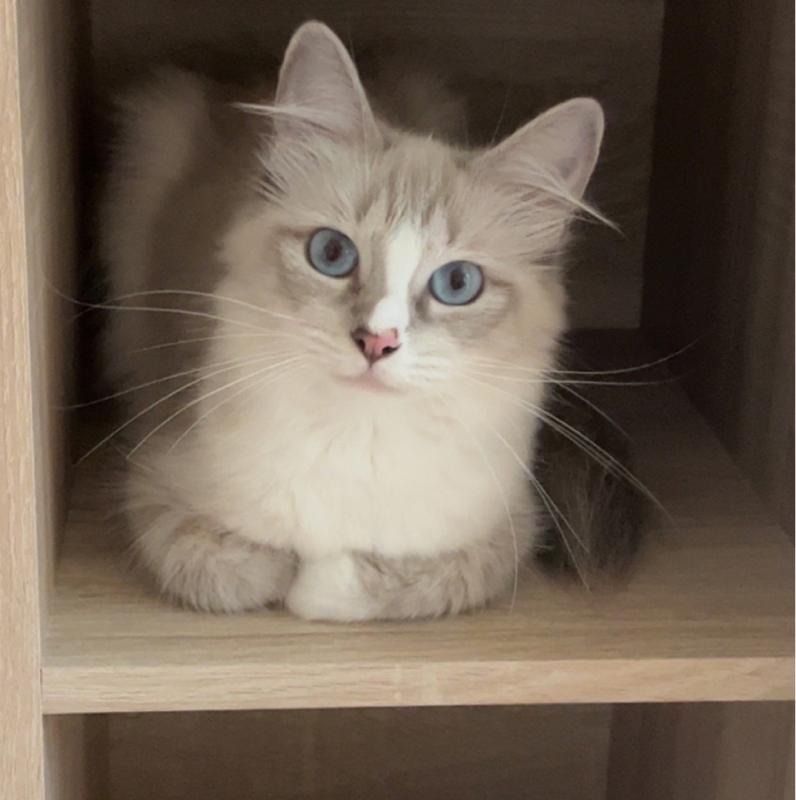
Breed at a glance
Our editors rate each trait from 1 (low) to 5 (high). These are general breed characteristics, not reviews, and every pet is different.
- Build
- Large and sturdy
- Coat
- Semi-long and silky
Exercise needs
The CFA describes the Ragdoll as moderately active. Offer time to play and quiet places where your cat can retreat.
Grooming
The semi-long coat needs regular combing. According to the CFA, once or twice a week is a usual starting point.
Playfulness
Ragdolls are often described as playful and eager to learn. Choose toys and exercises your own cat enjoys.
Feeding & daily routine
Choose complete cat food for the right life stage and adapt portions to your Ragdoll's condition and activity. Use the label as a starting point and weigh the food. Being a large breed does not automatically mean unlimited food is needed. Include treats and give the cat sitter clear instructions for wet food, dry food and fresh water.
This breed on Petbnb
Petbnb bookings and sitters in the Netherlands.
- Paid bookings
- 127
- Sitters with breed experience
- 48
Last updated
The booking total includes paid bookings, as well as completed and reviewed stays or visits. It doesn’t mean every stay or visit has already taken place. Sitter counts and city rankings are based on the breeds sitters list on their profiles, rather than their booking history. This experience is self-reported; check availability for your dates.
Find a sitter who knows the breed
See which cities have the most sitters who list this breed on their profile. Arrange a meet and greet to talk about their experience and your pet’s needs.
- Ragdoll sitters in Amsterdam9 sitters with breed experience
- Ragdoll sitters in Utrecht6 sitters with breed experience
- Ragdoll sitters in Breda3 sitters with breed experience
- Ragdoll sitters in Leiden2 sitters with breed experience
- Ragdoll sitters in Rotterdam2 sitters with breed experience
- Ragdoll sitters in Assendelft1 sitters with breed experience
Caring for a Ragdoll centres on your cat's routine: suitable food, grooming, play, rest and attention they enjoy. The Cat Fanciers’ Association describes Ragdolls as often sociable and affectionate, but that does not automatically tell you what care an individual cat needs.
Did you know?
The name “Ragdoll” refers to a floppy cloth doll, but your cat does not have to go limp when picked up. The CFA explains that the floppiness behind the breed's name is not characteristic of most modern Ragdolls. During a meet and greet, show how your cat chooses to interact. Source: Cat Fanciers’ Association: Ragdoll.
This guide helps you record daily care and hand it over to a cat sitter. If you would like to learn about the breed first, also read the five traits of the Ragdoll.
Make grooming predictable
The semi-long coat needs regular combing. The CFA gives once or twice a week as a general grooming guideline. Also consider your own cat's coat and what they tolerate; a general guideline does not replace advice for knots or skin problems.
Show a sitter which comb you use and how you approach a grooming session calmly. Discuss which tasks the sitter can take on and when you would prefer to involve a professional. Do not let someone pull at a knot or try a treatment you have not agreed.
Let your cat choose when to interact
Some Ragdolls like to stay in the same room as their people. That does not mean every Ragdoll likes being picked up or sitting on a lap.
Explain where your cat likes to lie, how they ask for attention and when they prefer to be left alone. Let your cat approach the sitter at their own pace. Also agree which rooms are available and where they can retreat undisturbed.
Keep play and feeding familiar
The CFA mentions play and learning simple exercises as activities that may suit Ragdolls. Use the toys and games your cat knows. Show how you play and which things you put away afterwards.
Write down the usual feeding times and quantities, including treats. The CFA describes the Ragdoll as a slowly maturing breed. That does not mean they need extra food: discuss feeding and body condition with your vet if you are unsure what is suitable.
LICG recommends using the feeding guide on the packaging as a starting point and adapting portions to your cat's condition. Choose complete cat food suited to their life stage and clearly record their usual food for the sitter.
Prepare for cat sitting at home
Use the first Petbnb meet and greet for a small care demonstration too. Have the familiar comb ready and, only if your cat is comfortable, demonstrate a short combing session. The sitter does not need to repeat it immediately. Then show where your cat can retreat and demonstrate a familiar game they enjoy.
For example, ask:
- How would you give my cat attention without picking them up?
- What would you do if combing was uncomfortable today?
- Can your update distinguish between not wanting to play, not wanting to eat and hiding?
Also read the pet sitter checklist and the guide to cat sitting during your holiday.
Sources
- Cat Fanciers’ Association: Ragdoll — Name linked to the story of going limp; according to the CFA, this is not characteristic of most modern Ragdolls; regular combing and individual handling preferences.
- LICG: feeding your cat — general guidance — life stage, individual food needs and using the packaging as a starting point.
- LICG: feeding your cat — standards and quantities — complete food and differences in energy requirements.
- LICG: holidays when your pet stays at home — preparation and written care arrangements.
- Cats Protection: feeding your cat — complete food, life stage, portions, treats and fresh water.