German Shepherd care: familiar tasks, rest and grooming
A sitter does not need to give your German Shepherd as many tasks as possible.
Updated on
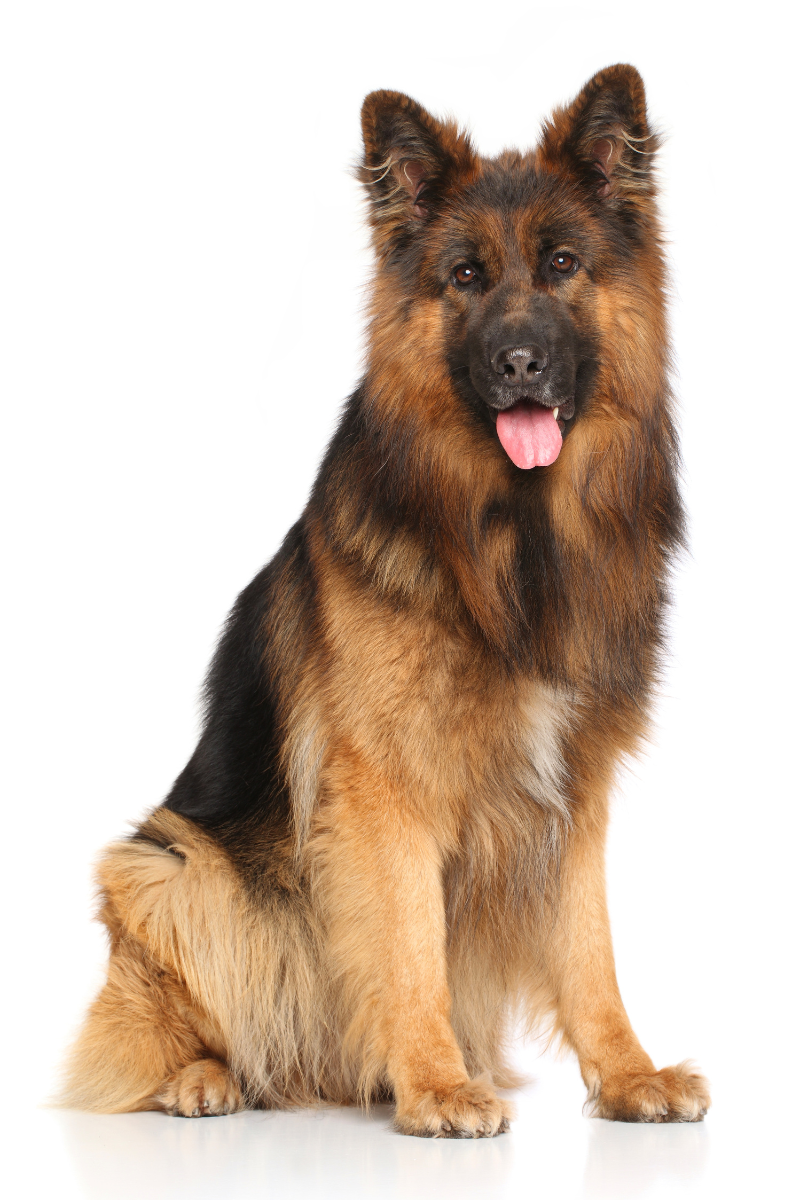
Breed at a glance
Our editors rate each trait from 1 (low) to 5 (high). These are general breed characteristics, not reviews, and every pet is different.
- Background
- Herding and working dog
- Coat
- Stock coat or long stock coat
Exercise needs
A working-dog background calls for suitable exercise and familiar tasks, with room for rest.
Grooming
The undercoat needs attention during moulting; long stock coats need more maintenance.
Playfulness
Familiar scent games and training exercises may suit them; each dog has different preferences and abilities.
Feeding & daily routine
Provide complete food for the appropriate life stage and keep familiar portions. Include treats and training food in the daily amount. Pass on an existing diet unchanged and ask your vet if unsure.
This breed on Petbnb
Petbnb bookings and sitters in the Netherlands.
- Paid bookings
- 816
- Sitters with breed experience
- 380
Last updated
The booking total includes paid bookings, as well as completed and reviewed stays or visits. It doesn’t mean every stay or visit has already taken place. Sitter counts and city rankings are based on the breeds sitters list on their profiles, rather than their booking history. This experience is self-reported; check availability for your dates.
Find a sitter who knows the breed
See which cities have the most sitters who list this breed on their profile. Arrange a meet and greet to talk about their experience and your pet’s needs.
- German Shepherd sitters in Amsterdam69 sitters with breed experience
- German Shepherd sitters in Rotterdam35 sitters with breed experience
- German Shepherd sitters in 's-Gravenhage25 sitters with breed experience
- German Shepherd sitters in Utrecht11 sitters with breed experience
- German Shepherd sitters in Almere10 sitters with breed experience
- German Shepherd sitters in Groningen10 sitters with breed experience
A sitter does not need to give your German Shepherd as many tasks as possible. What matters more is keeping their routine consistent: how does a walk begin, what does the rest cue mean, and when has your dog done enough? The working-dog background provides context, but age, health and experience determine the programme.
Did you know? Their ancestors were sheepdogs
According to the Raad van Beheer, the German Shepherd developed in the late nineteenth century from various regional dogs working with sheep flocks. Later versatility did not change those origins. This is an enjoyable starting point for a familiar searching game, not a reason to treat every pet as a sporting dog.
For the meet and greet, make a card with three familiar words, such as the starting cue, release cue and word that announces rest. Demonstrate what they mean. This lets a sitter immediately discover whether you expect the same thing from a simple word such as ‘free’.
Alternate a familiar task with time to do nothing
Let your dog sniff during a familiar walk and only practise a simple exercise they already know. Then discuss where they can lie undisturbed. The sitter does not need to achieve a new training goal while you are away.
Explain how your dog responds to cyclists, other dogs and visitors. Choose a route together where the sitter can keep enough distance if needed. Note which situations you currently avoid too. The breed name does not tell you whether a dog enjoys playing with unfamiliar dogs.
Demonstrate your dog’s grooming routine
The Raad van Beheer distinguishes stock coats and long stock coats; the longer variety needs more grooming. Check the tools together and identify areas where loose hair or tangles easily collect. Show how long your dog enjoys brushing and when you stop.
Arrange specialist grooming with the usual groomer. Give the sitter a manageable routine, particularly when the undercoat is shedding. A photograph of your normal brushes is clearer than an instruction to ‘groom well’.
Count training treats as part of their daily food
Provide complete food for the appropriate life stage and keep familiar portions. Include reward kibble in the daily amount. An active morning is not an automatic reason for extra food; ask your vet to assess body condition and needs if unsure.
Prepare the normal meal and the amount for games or exercises separately. Record leftovers when your dog eats less, so the sitter can give a specific update.
Three questions for the sitter
- Would you practise our three usual cues together during the meet and greet?
- Which quiet route and resting place would suit my dog?
- How will you let me know if brushing, eating or settling differs from home?
Read our German Shepherd blog for more background. Use the sitter checklist for the other arrangements. Browse dog sitters and discuss your dog’s routine.
Sources
- Raad van Beheer: long stock coat German Shepherd Dog — origins with sheep flocks, working-dog background, exercise and differences in grooming needs.
- LICG: feeding — general guidance — complete food, life stage and individual nutritional needs.
- LICG: holidays when your pet stays at home — introductions and handing over care arrangements.