British Shorthair care: grooming, play and a familiar routine
Read about the British Shorthair's coat, play and handling, and prepare daily care and the handover to a cat sitter.
Updated on
Breed at a glance
Our editors rate each trait from 1 (low) to 5 (high). These are general breed characteristics, not reviews, and every pet is different.
- Build
- Sturdy and muscular
- Coat
- Short and dense
Exercise needs
The British Shorthair is often described as calm. Continue offering daily activity and play at your cat's own pace.
Grooming
The short, dense coat usually needs weekly brushing or combing. More frequent combing may be needed during moulting.
Playfulness
Calm in temperament but often playful. LICG mentions balls and wand toys; follow your cat's pace and interest.
Feeding & daily routine
Give complete cat food suited to life stage and individual needs. Use the feeding guide as a starting point, weigh portions and include treats. Adjust quantities to condition and activity, with advice from the vet if needed. Ask a sitter to follow the usual food and routine and provide fresh water.
This breed on Petbnb
Petbnb bookings and sitters in the Netherlands.
- Paid bookings
- 234
- Sitters with breed experience
- 71
Last updated
The booking total includes paid bookings, as well as completed and reviewed stays or visits. It doesn’t mean every stay or visit has already taken place. Sitter counts and city rankings are based on the breeds sitters list on their profiles, rather than their booking history. This experience is self-reported; check availability for your dates.
Find a sitter who knows the breed
See which cities have the most sitters who list this breed on their profile. Arrange a meet and greet to talk about their experience and your pet’s needs.
- British Shorthair sitters in Amsterdam9 sitters with breed experience
- British Shorthair sitters in 's-Gravenhage5 sitters with breed experience
- British Shorthair sitters in Utrecht4 sitters with breed experience
- British Shorthair sitters in Almere3 sitters with breed experience
- British Shorthair sitters in Rotterdam3 sitters with breed experience
- British Shorthair sitters in Veldhoven3 sitters with breed experience
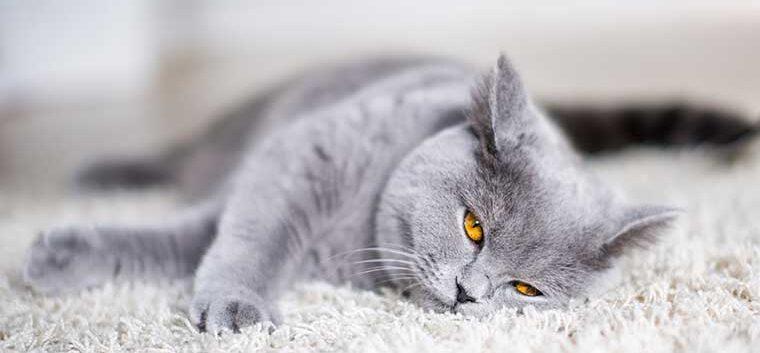
A British Shorthair has a short, dense coat and is often described as calm and sociable. Calm does not mean grooming, play or attention can be skipped. Observe what your cat enjoys and make their daily routine clear to everyone who cares for them.
Did you know?
A British Shorthair does not have to be blue-grey. The CFA describes how cats once registered as “British Blues” now come in many colours and patterns, including bicolour and tabby. Colour says nothing about how much attention or care your cat needs. Source: Cat Fanciers’ Association: British Shorthair.
Even a short coat needs care
The short coat is dense and can shed. LICG gives weekly combing or brushing as a starting point and notes that more frequent combing may be needed during moulting. Adapt this to your cat's coat and behaviour, using equipment they know.
Show the sitter your usual grooming routine. If the coat is painful to touch, there are knots or you notice skin problems, seek professional advice. Agree which routine grooming the sitter will do and which tasks you do not expect.
Offer company without picking them up
According to LICG, British Shorthairs do not always enjoy being lifted. Let your cat seek contact and explain to others how they like to be stroked. A calm breed description is not permission to hold a cat who wants to leave.
Show the sitter favourite resting places and quiet rooms. Discuss how your cat responds to visitors and which signals tell you they would prefer to be left alone.
Include play in the day
A calm temperament does not rule out playfulness. LICG describes British Shorthairs as quite playful and mentions balls and wand toys among their games. Explain which toys your cat likes, how you play together and what you put away afterwards. Follow their individual interest.
A sitter does not need to reinvent the routine. Demonstrate a familiar game and discuss how attention and rest are balanced during a visit. Also explain what your cat usually does when they do not want contact.
Looking for more ideas for playing and scratching at home? See our tips for a comfortable environment for your indoor cat.
Record food and routine care
Pass on the usual food, portions and mealtimes. List any treats separately. LICG recommends using the packaging as a starting point and adapting quantities to the cat's condition. Do not choose a portion based solely on the breed's sturdy appearance; ask your vet if unsure.
Include water, litter tray care and any existing health instructions in the handover too. With several cats, make clear which arrangements apply to each animal.
Introducing a cat sitter
At your Petbnb meet and greet, ask the sitter to sit where you usually play with your cat. Demonstrate a familiar game, perhaps with a wand toy, and let your cat choose whether to join in or stay at a distance. A useful visit update can then explain that they watched from their usual chair and later came over to sniff. There is no need to put them on a lap just to take a photo for an update.
For example, ask:
- How would you give my cat attention if they preferred to sit beside you?
- Which familiar game could you offer without taking them out of their resting place?
- Will you let me know whether they ate and came over for attention, even if they did not want to play?
Use the pet sitter checklist to check the handover. Read more about organising visits in cat sitting at home during your holiday.
Sources
- Cat Fanciers’ Association: British Shorthair — Historical name British Blues; now found in several colours and patterns; dense short coat and regular grooming.
- LICG: British Shorthair and British Longhair — the short-haired breed: temperament, handling, play and grooming.
- LICG: feeding your cat — general guidance — life stage, individual food needs and using the packaging as a starting point.
- LICG: feeding your cat — standards and quantities — complete food and differences in energy requirements.
- LICG: holidays when your pet stays at home — agreeing care and leaving instructions.
- Cats Protection: feeding your cat — complete food, life stage, portions, treats and fresh water.